Communal Shabbat
ZoomZoom opens at 6:30pm just to kibbutz. At 7pm we light candles with a short service. We listen to music and short lectures. Watch for the Zoom link on the listserv Friday afternoon.

As a member of local community and religious groups whose goals and values we share, we volunteer where help is needed.

The shofar is heard at CHJ Rosh Hashanah and Yom Kippur Family Services.

After Charlotttesville

Celebrating nature at the Tu B’Shvat seder is a joyous event filled with music and good food.

Members all play a role in making the congregation work. Read about how CHJ is organized.

Mitzvah Mentoring Program For over six decades, the CHJ’s bar and bat mitzvah program has offered highly meaningful opportunities for secular Jewish families to celebrate a traditional milestone in their children’s lives while remaining faithful to their humanistic beliefs and values. Uniquely tailored to the interests of the student and family, the mitzvah program allows… Read More

Our Congregation celebrates Passover together each year with a humanistic seder for families. Bring your friends and family and enjoy reading the CHJ Haggadah with us as well as homemade haroset, maror, “4 sips of wine” and other celebrational Passover foods and symbols. Our seder includes contemporary additions to recognize today’s refugees who seek freedom around… Read More

Humanistic Judaism offers contemporary Jews an alternative to theistic-based branches of Judaism. At the Congregation for Humanistic Judaism (CHJ), our services and programs embrace Jewish historical and cultural traditions and its ethical values as applicable to our secular humanistic worldview. In our services, and especially on the High Holidays, we celebrate our Jewish identity while… Read More

Thank you, all CHJ members, for giving me the opportunity to serve as your President. I promise to do my very best to meet your needs. Also, thank you, CHJ’ers, for enriching my life, and for your friendship in difficult times over the past >17 years. CHJ has given me the opportunity to celebrate being Jewish, to enjoy being Jewish, to share being Jewish, to learn more about being Jewish, and to support social/environmental goals. There are as many ways to do these things as there are members of CHJ.
Under the guidance of Steve Getz who is now Immediate Past President, the CHJ Board held special extra meetings over the last year to work on a project Steve called “Envisioning CHJ.” This initiative was successful in many ways. It reconfirmed our commitment to the goals in the bylaws. It achieved the financial review required by the bylaws. It enabled us to update our insurance contract. And it will be ongoing, because it generated a list of multiple ways in which we can act to make sure CHJ can thrive in the future. Among other ideas that have now been implemented is the renewed commitment to the B’nai Mitzvah program. We also had not one but two Havdalahs on the beach last summer. Friday evening programming and Sunday morning Jewish Journeys continue. I am convinced that the more that we enjoy what we do in CHJ, the stronger CHJ will be. Read More
Zoom opens at 6:30pm just to kibbutz. At 7pm we light candles with a short service. We listen to music and short lectures. Watch for the Zoom link on the listserv Friday afternoon.


Come join other CHJ women to talk about a topic to be chosen at the meeting. It's a great way to get to know one another. This month will be held at a member's residence. Watch the listserv for the address.
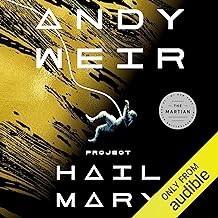
A lone astronaut must save the earth from disaster in this incredible new science-based thriller from the number-one New York Times best-selling author of The Martian. Ryland Grace is the sole survivor on a desperate, last-chance mission - and if he fails, humanity and the Earth itself will perish. Come join the discussion at a... Read More